

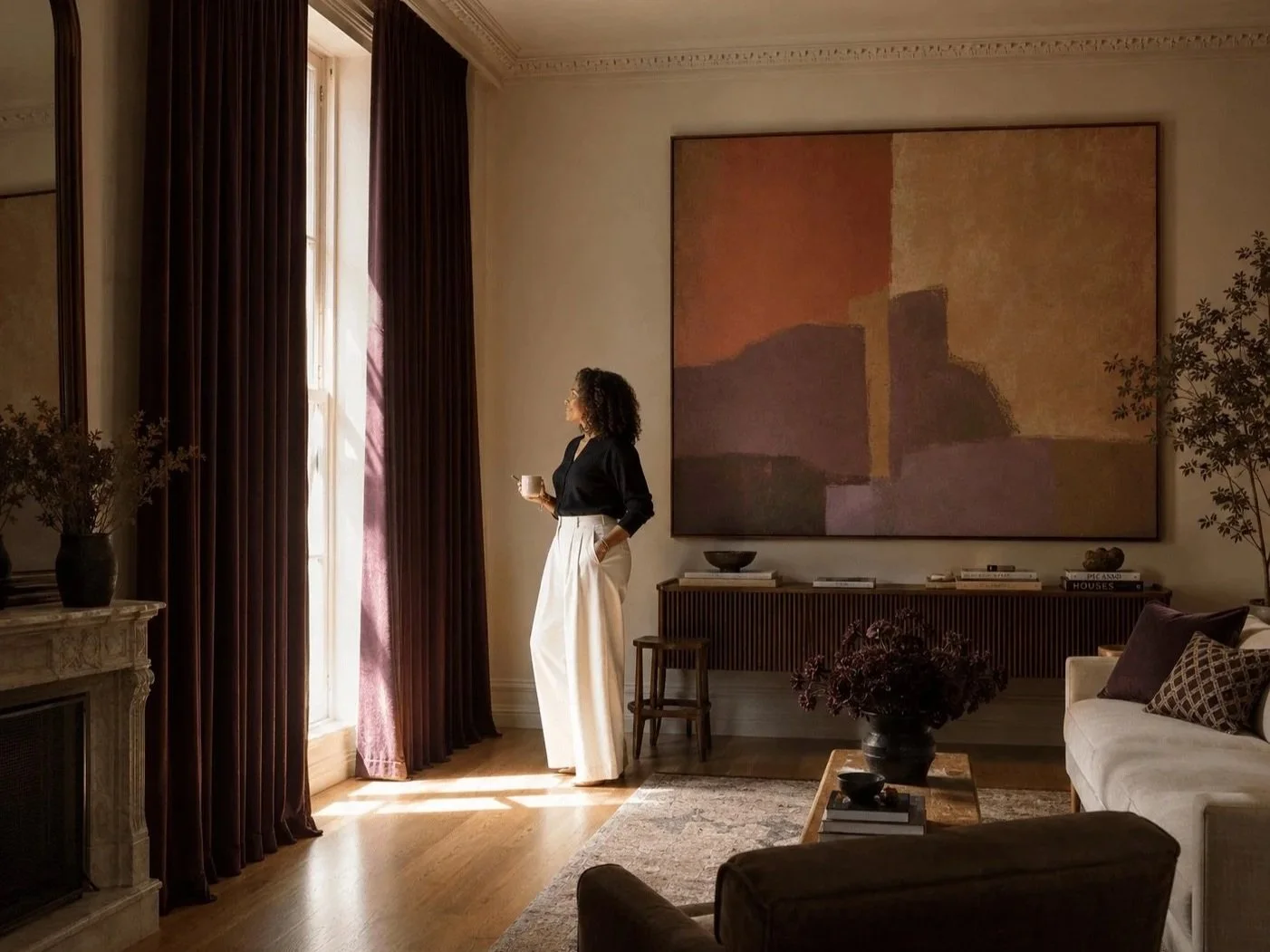
Have you ever walked into a room and immediately felt your shoulders drop?
Maybe it was the warmth of the light. The softness of the textiles. The way the furniture invited conversation. The view of trees just beyond the window. Or perhaps it was something harder to name—the feeling that the space was holding you, rather than asking something from you.
That response is not imagined. Our surroundings are constantly speaking to the brain and body through sensory cues: light, color, sound, scent, texture, temperature, proportion, and spatial flow. Over time, those cues can shape how we feel, focus, rest, connect, and recover.
This is where science-backed interior design becomes so powerful. A home is not simply a visual composition. It is a lived environment that interacts with your nervous system every day.
At Living Luxury Lab, our work is rooted in creating personalized spaces that inspire well-being and help clients feel Whole at Home®—not only through beauty, but through thoughtful design choices that support the way life is actually lived.
First, a Gentle Science Note: Hormones vs. Neurotransmitters
You may hear dopamine, serotonin, oxytocin, and endorphins referred to as “feel-good hormones.” Harvard Health explains that these chemical messengers are associated with feelings of happiness, pleasure, and connection, and they also act as neurotransmitters, carrying messages between nerve cells.
So, while your sofa does not simply “release dopamine” and your paint color does not single-handedly “create serotonin,” your home can influence the sensory conditions that support emotional regulation, pleasure, restoration, and belonging.
In other words: design does not replace sleep, movement, nutrition, therapy, medical care, or meaningful relationships. But it can beautifully support them.
Dopamine: The Chemistry of Delight, Motivation, and Reward
Dopamine is often associated with pleasure, motivation, reward, and anticipation. In design, dopamine-rich experiences are not just about bright colors or playful patterns. They are about creating moments of discovery, satisfaction, and personal resonance.
A thoughtfully designed home can support this kind of delight through:
Art that sparks emotion or memory.
A bold color moment in an otherwise grounded room.
A vintage piece with story and soul.
A beautifully organized pantry or dressing room.
A reading nook that feels like a small daily reward.
A sculptural light fixture that catches your eye every time you pass.
This is part of why “dopamine decor” has gained cultural traction. Architectural Digest describes dopamine decor as a feel-good interiors trend involving bold color, eclectic prints, inviting textures, and nostalgic elements that evoke warmth and joy.
But in a high-end, enduring home, the goal is not trend-based stimulation. The goal is deeply personal joy.
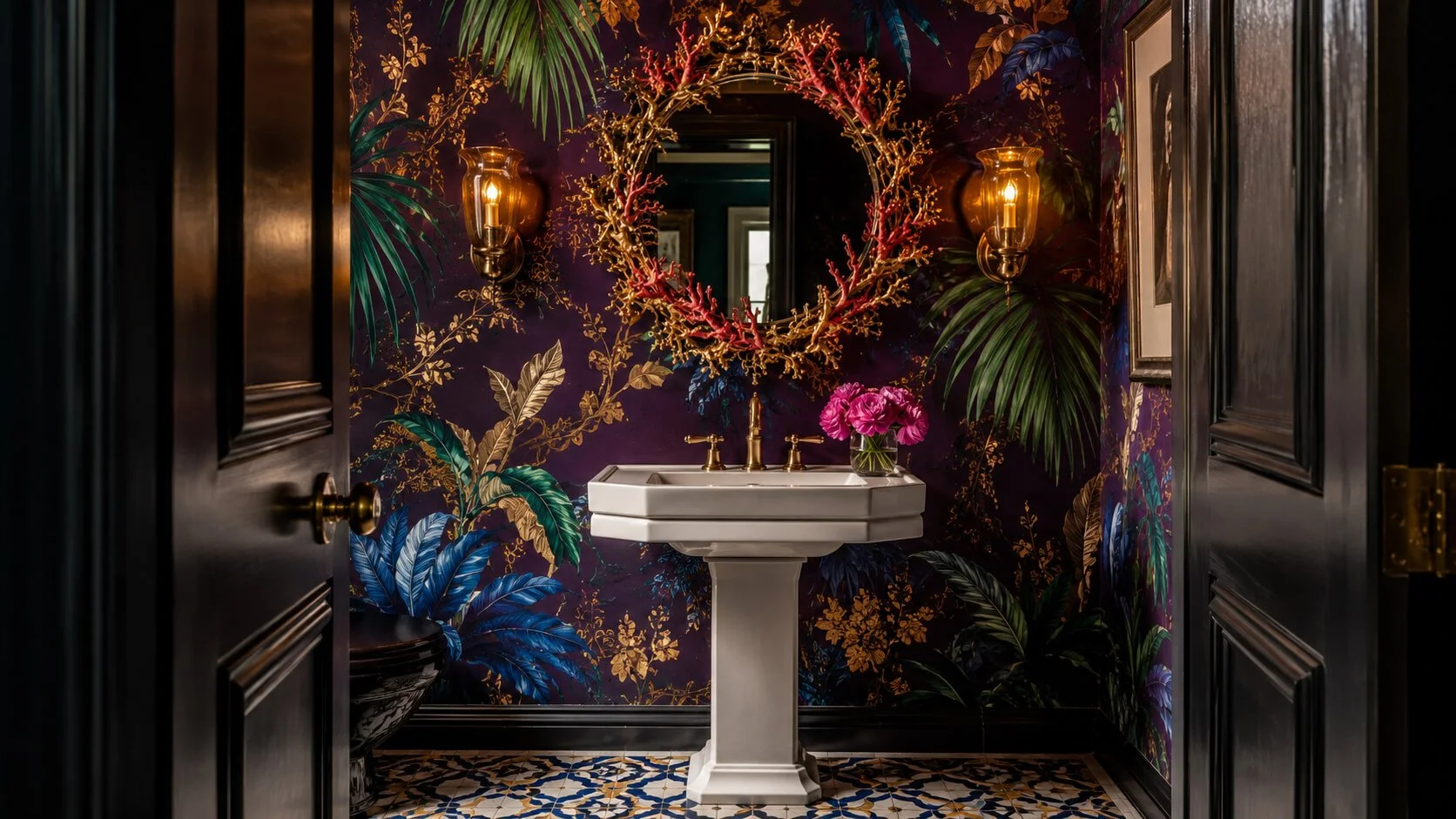
For one client, that may be a saturated lacquered powder room. For another, it may be a hand-knotted rug discovered while traveling, a gallery wall of family photographs, or a quiet moment of symmetry in the entry. Dopamine-supportive design is less about visual volume and more about emotional relevance.
The best spaces do not shout for attention. They create small, meaningful moments that invite you to feel alive.
Serotonin: The Design of Calm, Rhythm, and Restoration
Serotonin is widely associated with mood regulation and emotional balance. In the home, one of the most meaningful design levers for supporting a calmer daily rhythm is light.
Sunlight has a well-documented relationship with mood and circadian health. Research has linked bright sunlight exposure with serotonin activity, and reviews on sunlight and mental health have found associations between sunlight exposure and lower anxiety or depressed mood in certain contexts.
From a design perspective, this makes natural light one of the most important wellness materials in a home.
Thoughtful serotonin-supportive design may include:
Layered window treatments that soften glare without blocking daylight.
Breakfast spaces oriented toward morning light.
Mirrors placed to gently extend natural light.
Warm, dimmable evening lighting that supports winding down.
Earthy palettes inspired by clay, stone, bark, sand, and leaves.
Natural materials such as wood, linen, wool, plaster, and stone.
Views of greenery, gardens, trees, water, or sky.
This is where biophilic design becomes essential. Biophilic design reconnects the built environment with nature through natural light, organic materials, plants, fresh air, water, and nature-inspired patterns. Living Luxury Lab’s existing biophilic design language emphasizes that natural light, organic textures, greenery, and water features can help create spaces that feel calming, invigorating, and restorative.
A serotonin-supportive space is not necessarily pale, quiet, or minimal. It is a space that helps the body understand where it is in the day, how it can rest, and why it is safe to soften.
Oxytocin: The Design of Connection, Trust, and Belonging
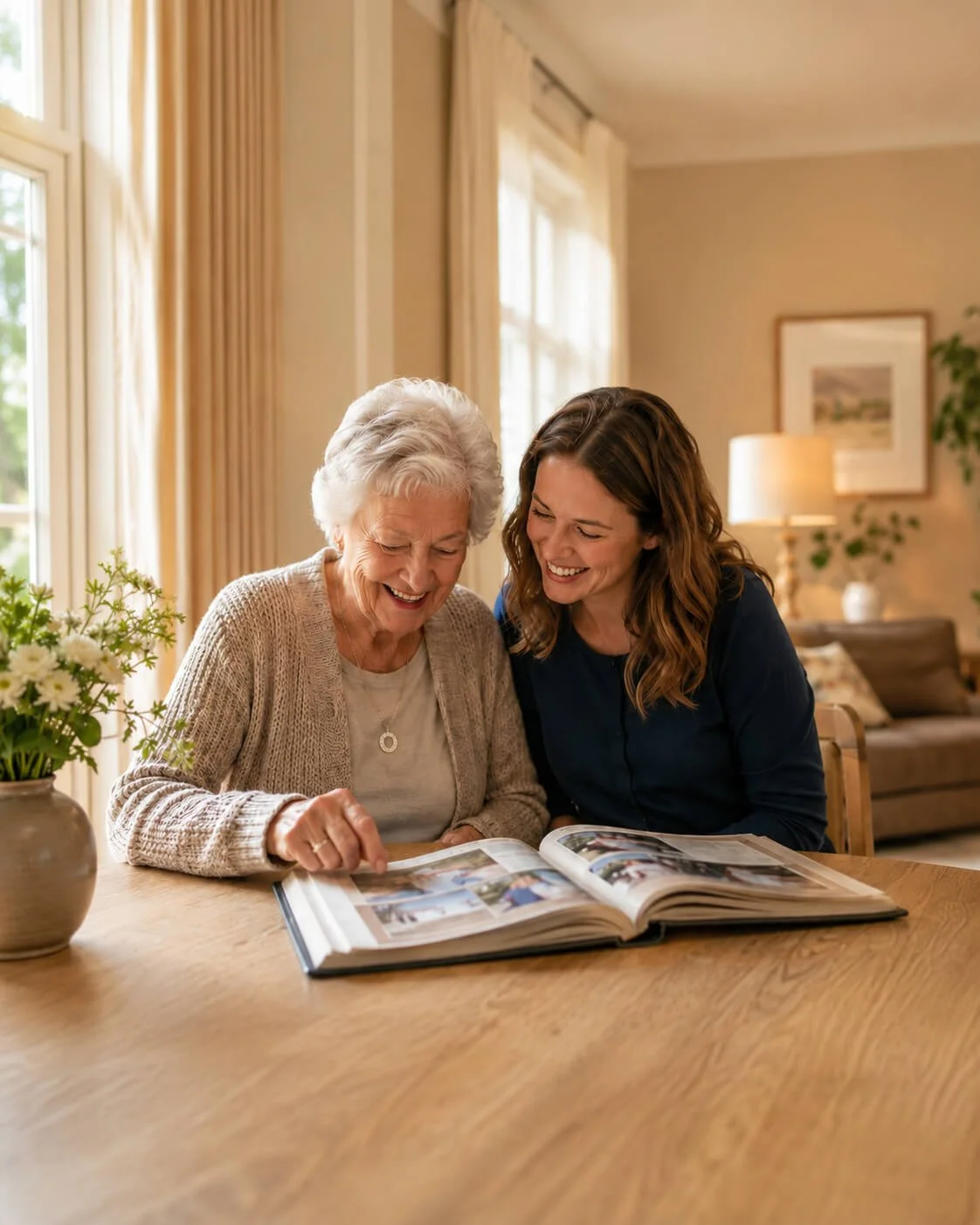
Oxytocin is often called the “love hormone” because it is associated with bonding, trust, affection, and social connection. In a home, oxytocin-supportive design is about creating conditions that make connection feel natural.
Think of the difference between a room arranged for performance and a room arranged for presence.
One may look impressive, but no one knows where to sit. The other quietly says: come in, settle here, stay awhile.
Design can encourage connection through:
Conversational seating that allows people to see one another comfortably.
Dining spaces that make gathering feel easy rather than formal or fussy.
Soft acoustics that allow conversation without strain.
Kitchen layouts that invite participation rather than isolating the cook.
Layered lighting that makes evening gatherings feel warm and intimate.
Personal objects that tell the family’s story.
Textiles and textures that make physical comfort feel immediate.
This aligns closely with Living Luxury Lab’s brand philosophy: giving you the measurable knowledge and tools to creating spaces that are not just decorated, but emotionally resonant, personal, and supportive of everyday life. The brand voice guide emphasizes transformative, experience-driven design—spaces that evoke relaxation, joy, or connection based on the client’s lifestyle.
Oxytocin-supportive design is not about forcing togetherness. It is about removing the subtle barriers that keep people from connecting: awkward furniture layouts, harsh lighting, echoing rooms, insufficient seating, or spaces that feel too precious to actually live in.
A well-designed home gives connection a place to happen.
Cortisol and Melatonin: The Often-Overlooked Wellness Pair
While dopamine, serotonin, and oxytocin are the more familiar “feel-good” chemicals, cortisol and melatonin deserve a place in this conversation.
Cortisol is commonly associated with stress response. Melatonin is closely tied to sleep-wake rhythm. Interior design decisions—especially lighting, noise, thermal comfort, and sensory load—can influence the conditions that support or disrupt stress recovery and rest.
A neuro-hormonal design report in the Living Luxury Lab™ knowledge base identifies measurable environmental levers such as daylight, nature views, low-flicker lighting, wood touchpoints, balanced acoustics, thermal comfort, and natural soundscapes as factors that can be evaluated through biomarkers such as cortisol, HRV, blood pressure, melatonin, and sleep quality.
In practical terms, that means a restorative home should consider:
How bright the kitchen is in the morning.
Whether the bedroom lighting is too stimulating at night.
Whether the home office has visual clutter that drains focus.
Whether the living room acoustics make conversation feel effortless.
Whether materials feel warm, grounding, and pleasant to touch.
Whether the bedroom supports deep rest rather than late-night alertness.
This is the quiet power of science-backed design. It pays attention to what the body notices, not just what the eye admires.
Transform Your Space, Support Your Self
A well-designed home does more than look polished. It can help shape the conditions for calm, joy, focus, restoration, and connection. Through light, color, texture, proportion, nature, sound, scent, and layout, your home can become a daily support system—one that gently reinforces the way you want to feel and live. This is the deeper role of hormones in design. Not a promise that beauty alone will transform your biology, but a recognition that your body is always responding to your environment.
Your home is part of your wellness ecosystem. When designed with care, it becomes more than a place to live. It becomes a place that helps you return to yourself. A place that supports your relationships. A place that restores your energy.
A place that helps you feel Whole at Home®.