

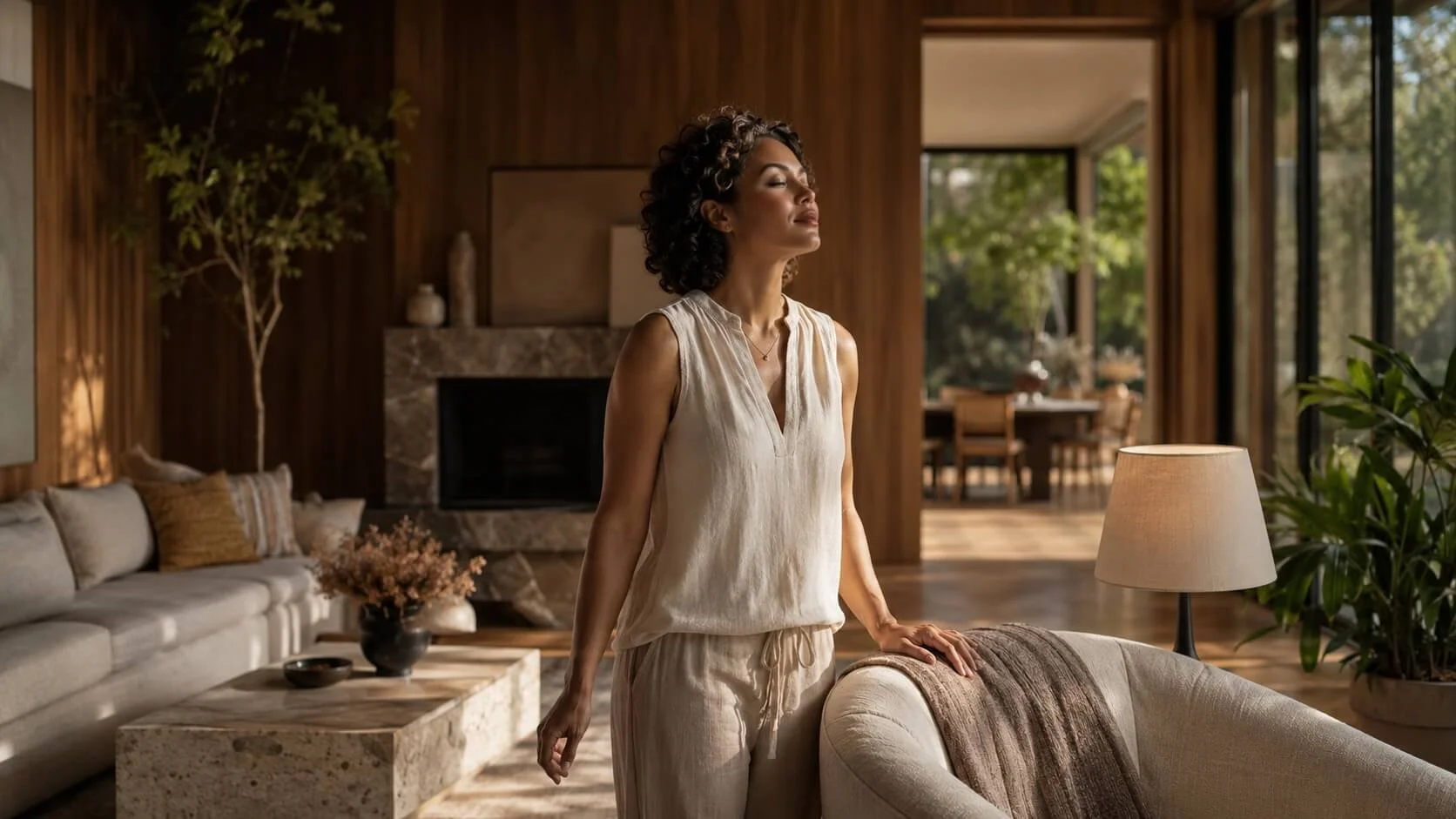
Your environment is shaping you.
We make it work for you.
Where Science Meets Design™
Where design delivers measurable impact.
Living Luxury Lab™ (L3™) translates decades of neuroscience and neuroaesthetics research into evidence-based environmental design — measurably improving how people sleep, think, heal, and perform in the built environments where they spend 90% of their lives.
Your nervous system responds to every room.
The Science
Neuroaesthetics is the scientific study of how our brains and bodies respond to sensory experiences — including the visuals, sounds, and spatial orientations of the built environments we inhabit every day. When we understand those responses, design becomes medicine.
L3™ applies decades of peer-reviewed research across sensory modalities — light, acoustics, texture, natural pattern, spatial proportion, and biophilic elements — to create environments that measurably support health, cognition, and emotional regulation.
This is not interior design as usual.
This is design as a health intervention.
Our World-Class Science Advisory Board
Credentialed at the frontier of the field.

Dr. Richard Taylor
Science Advisory LeadPhysics Professor, University of Oregon. Author of 200+ peer-reviewed papers on fractal geometry and the brain. His landmark research established that fractal patterns — the repeating geometries found throughout nature — measurably reduce cortisol by up to 60%. Consulted on hospital, school, and workplace design worldwide. Holds multiple neurodesign patents.

Dr. Sally Augustin
behavioral science LeadFellow of the American Psychological Association and past-president of its Environmental Psychology Division. Core Researcher at the UC Berkeley Interdisciplinary Center for Healthy Workplaces. Author of Place Advantage: Applied Psychology for Interior Architecture (Wiley) and Designology (Mango) — two of the field's most widely adopted practitioner texts. Her work has been featured in the New York Times, the Wall Street Journal, Forbes, and the Harvard Business Review.
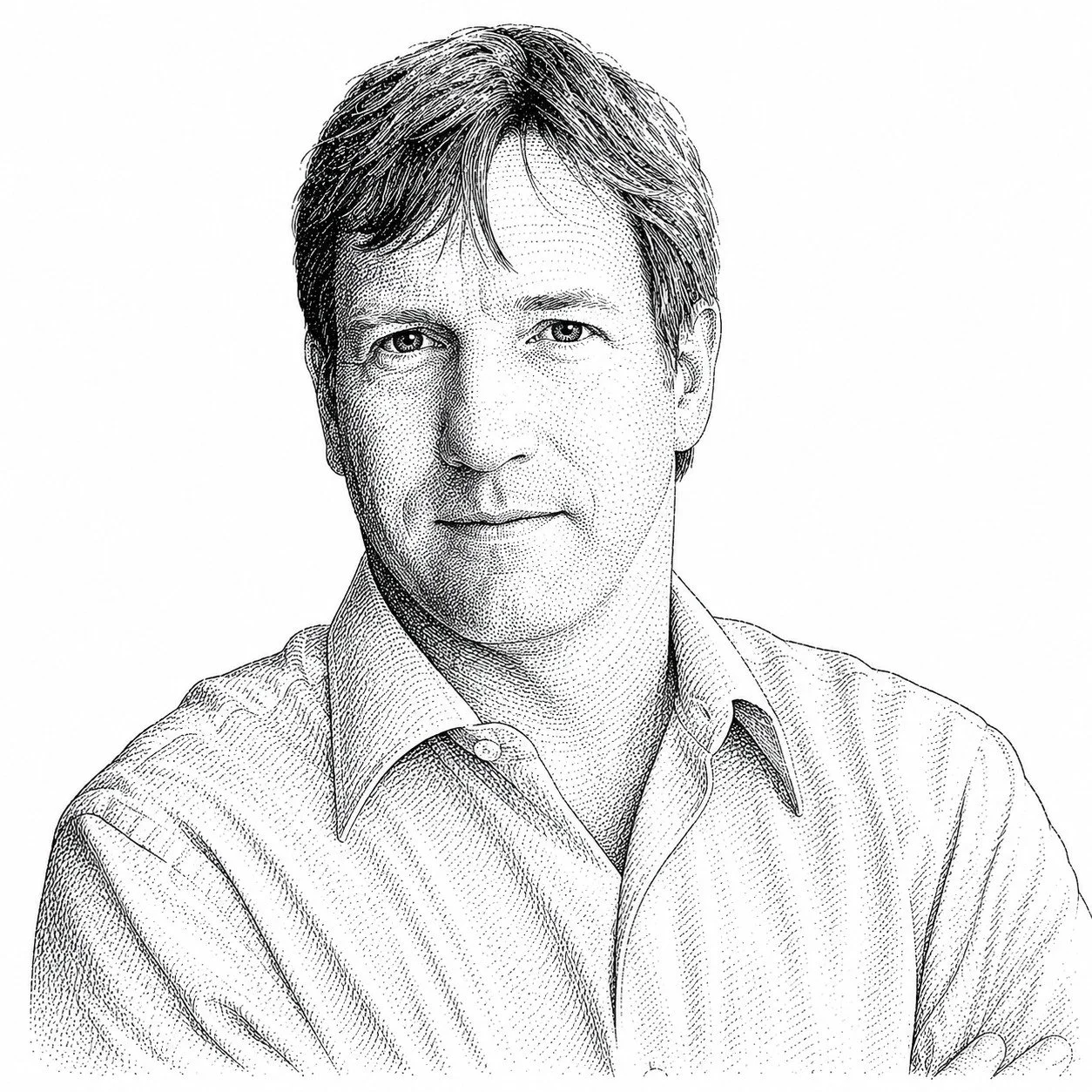
Bill Browning
Biophilic Design leadFounding Partner, Terrapin Bright Green. Founding board member of the U.S. Green Building Council. Co-author of the globally adopted 14 Patterns of Biophilic Design — the field's defining framework — and The Economics of Biophilia. Recipient of the 2015 ASID National Design for Humanity Award. Has advised Google, JPMorgan Chase, Marriott, and Salesforce.
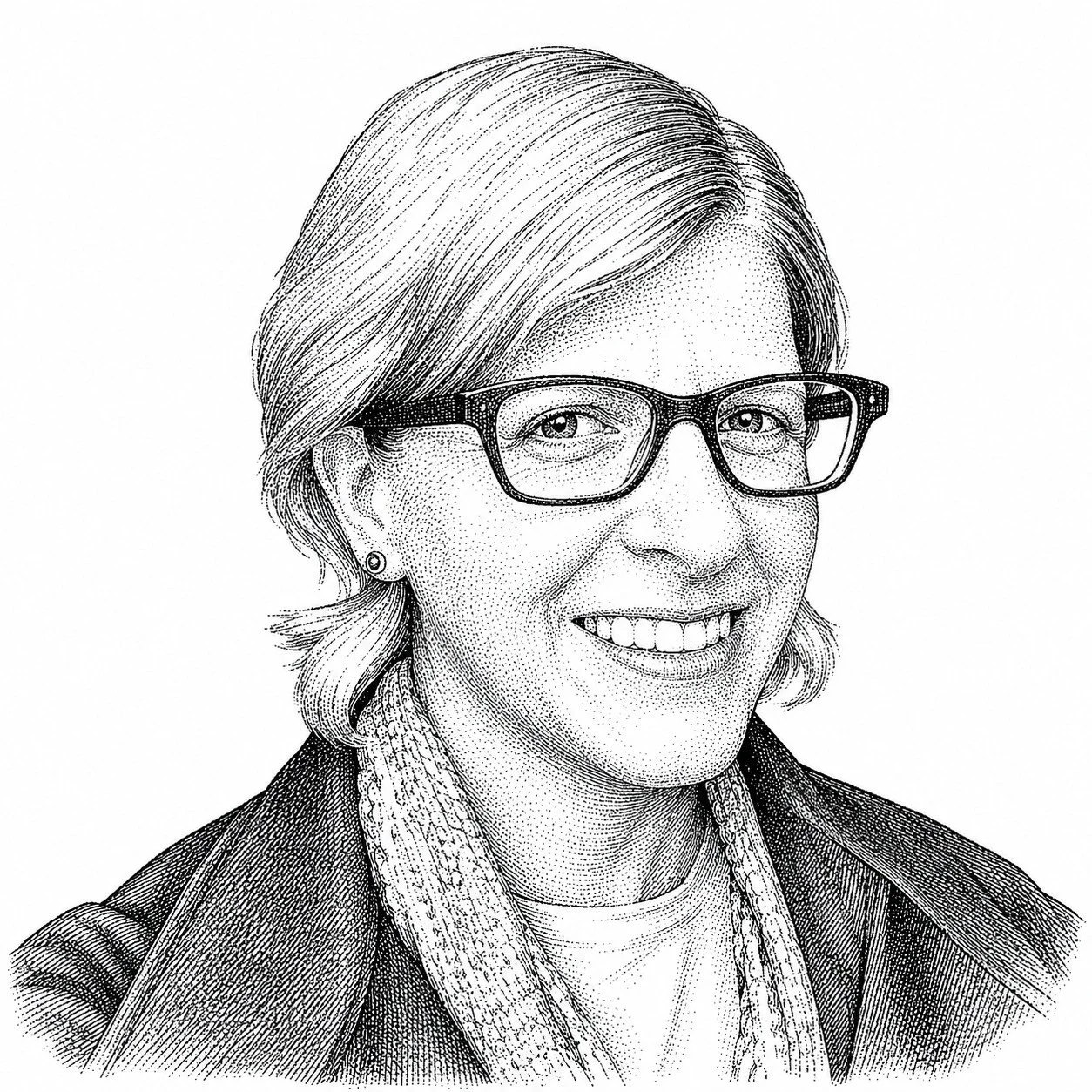
Catie Ryan Balagtas
Applied Design leadAssociate Partner, Terrapin Bright Green. 20+ years in biophilic design, environmental sustainability, and systems integration. Co-author of the 14 Patterns of Biophilic Design (2014, updated 2024) and Nature Inside: A Biophilic Design Guide (RIBA Publishing). Advisor to the WELL Building Standard and the GSA Workplace Advisory Group. Co-founder of the Stephen Kellert Biophilic Design Award.
OUR SERVICES
Evidence-backed design
for every envirnoment
A suite of services for design professionals, enterprises, and individuals, each grounded in neuroaesthetics research and calibrated to deliver measurable outcomes.
Personalized Neurodesign Assessments
L3™ builds a Neurology Profile for each individual, then delivers a scientific recommendation for every design decision, from material selection to furniture placement and the hundreds of choices in between.
Designers gain evidence behind every specification, reinforcing the expertise they already bring to a project. Individuals get an interior matched to their own neurological needs, not a generic template. Enterprises get individual-level insight that rolls up into design guidance for the many people who share one environment.
ROI-Focused Design Consultations
L3 maps and communicates design needs based on the neurological needs of the people who will experience the environment. The return compounds over the life of that environment: sustained gains in health, sleep, productivity, and the personal objectives each design was built to serve.
Designers gain a documented rationale for the choices they specify. Enterprises gain a way to connect design investment to occupant outcomes. Individuals gain the confidence to invest more wisely and accurately, choosing selections they know are right for them instead of guessing.
Certified, Healthy Product Procurement
L3 vets product partners against neurological testing standards for the built environment, so every specified product has been tuned and tested, not simply marketed as healthy. Beauty, health, quality, and sustainability are never traded against one another with our partners; that trade-off is removed before a designer ever sees the option.
Designers gain a pre-vetted sourcing list that removes the guesswork. Enterprises gain consistent, healthy product standards across every build-out. Individuals find products in their environment that support well-being without sacrificing style.
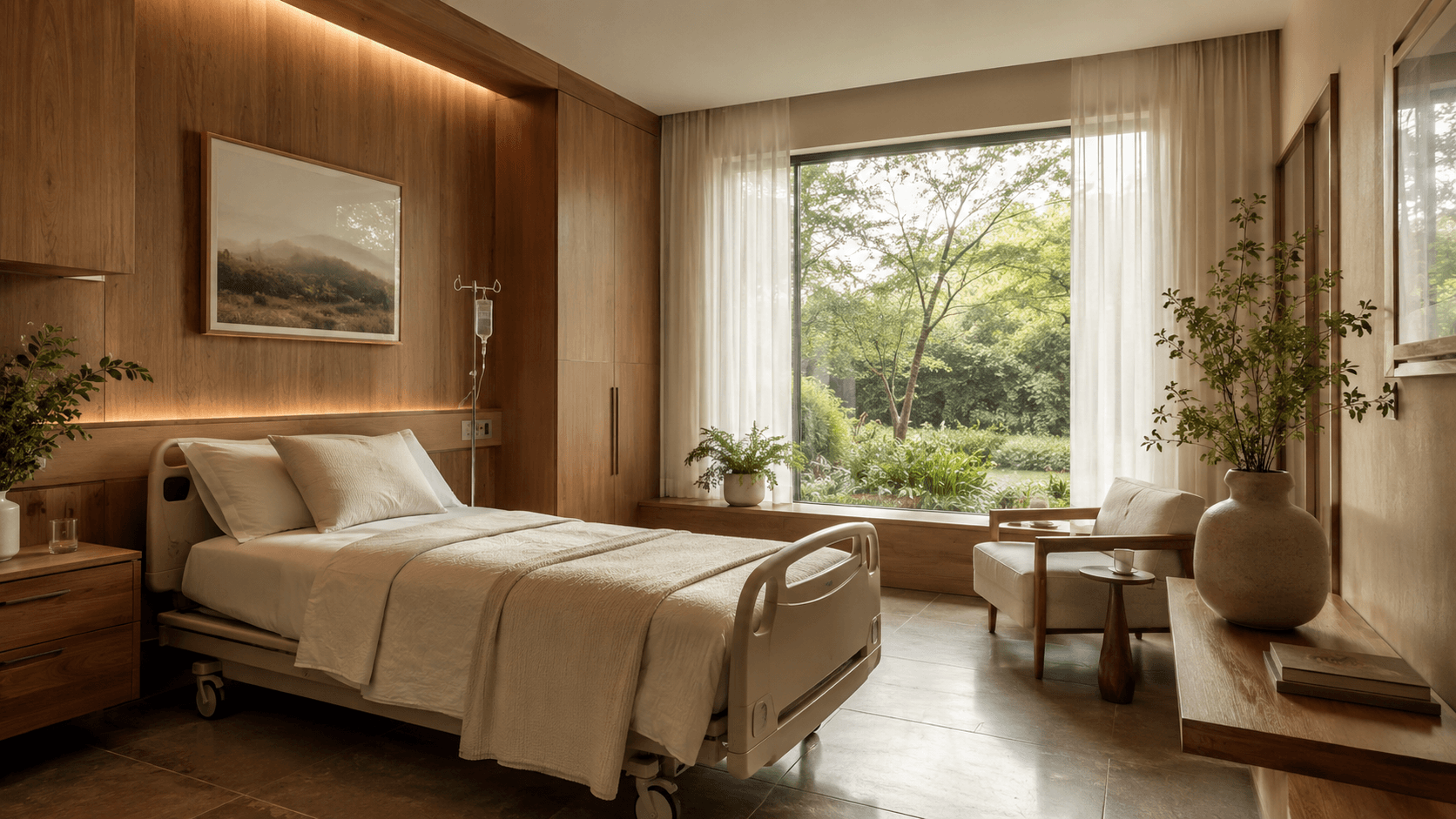
CONSULTATION
Let's talk about what your environment could do for you.
No aesthetic opinion. Only science.
Every recommendation we make is grounded in peer-reviewed research and calibrated for outcomes.
Personalized for neurologic benefit.
Your nervous system is unique. Your environment should be designed accordingly — not for a generic ideal.
A perspective founded in art and technology.
An unmatched team of scientists, designers, and technologists committed to the science of design.
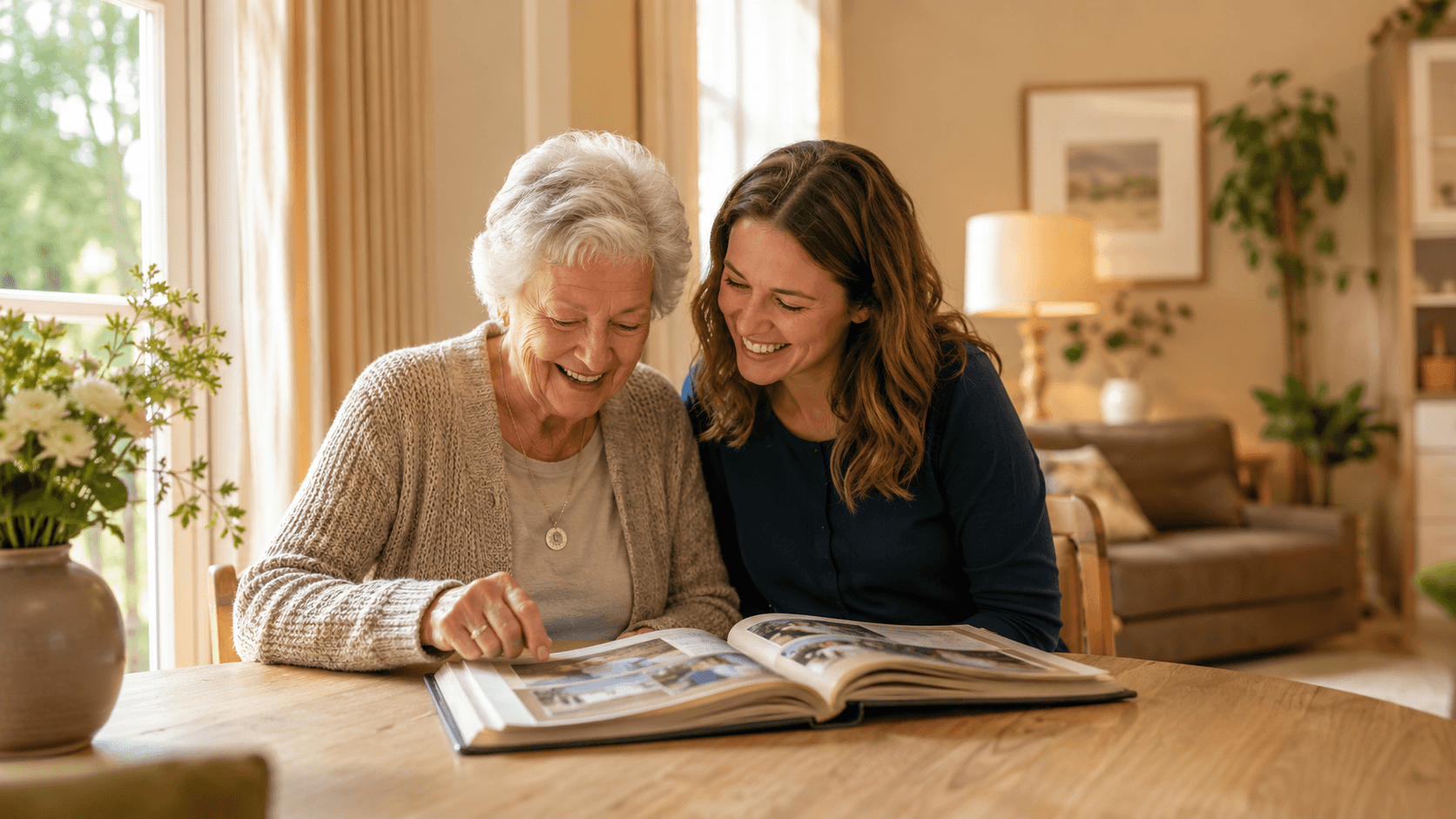
Comfort in one’s environment should be a fundamental
human right.
At Living Luxury Lab™, we translate proven neuroscience into everyday design guidance and product selections that people can actually use.